

If you or someone you care for has been diagnosed with chronic kidney disease, you will know that the dietary advice can feel overwhelming, contradictory, and very restrictive. Avoid potassium. Limit protein. Watch phosphorus. Reduce sodium. Cut back fluids. It can feel like there is nothing left to eat.
The reality is more nuanced — and more manageable — than that. The right nutrition for kidney disease is not about the longest possible list of restrictions. It is about understanding exactly what your kidneys can and cannot handle at your specific stage of the disease, and building a practical, nourishing diet that works within those boundaries without leaving you malnourished or miserable. RenalCare™ is built from your actual blood reports and kidney function numbers, and it adjusts as those numbers change.
This programme covers the following specialised areas. Your plan is built around the focus area — or combination of areas — that reflects your specific health needs and goals.
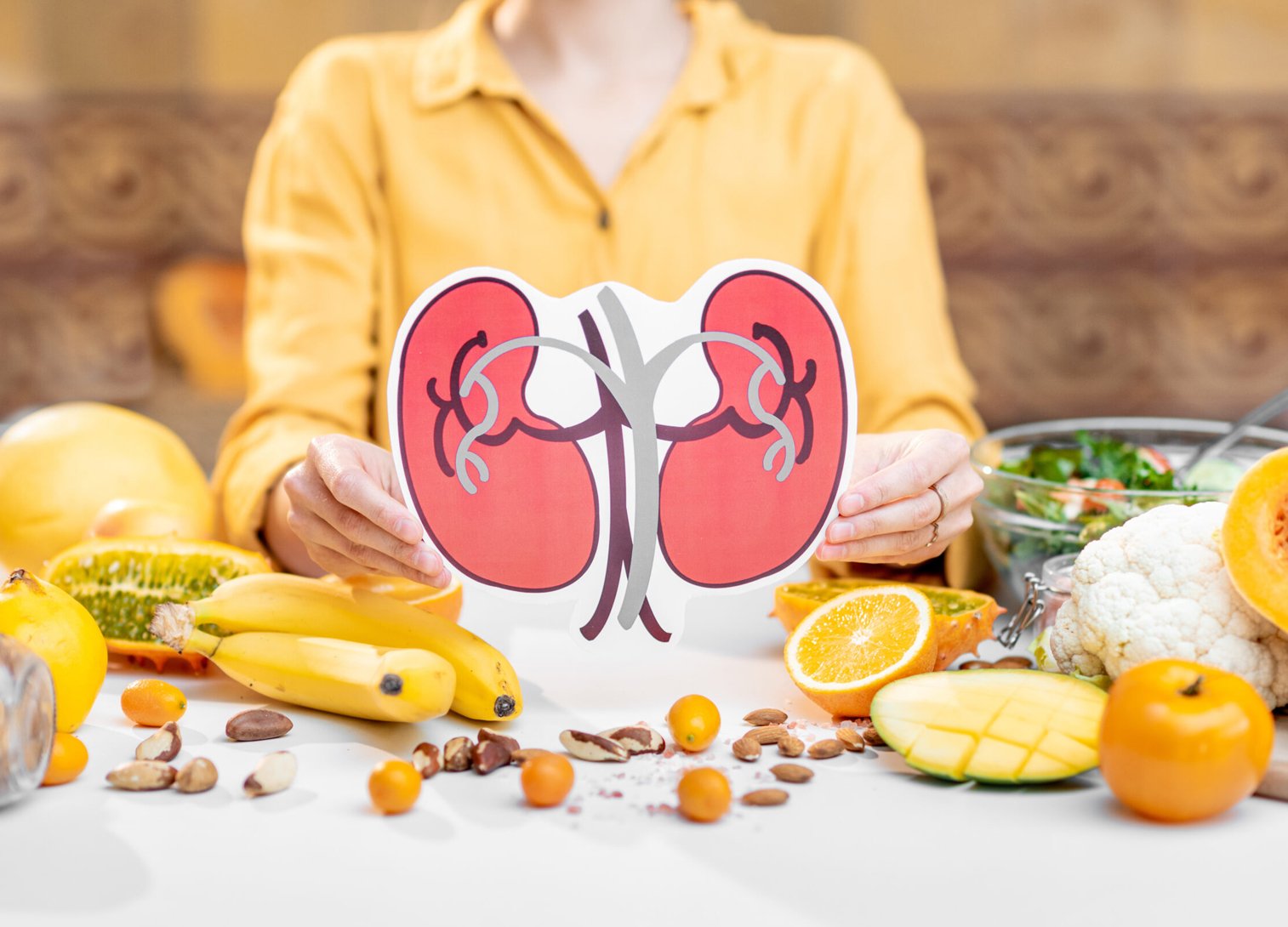
The nutritional requirements in kidney disease change at every stage — what is right for early CKD can be actively harmful at a later stage. Protein management is the area most often misunderstood: the goal is not to eat as little protein as possible, but to eat the right amount for your specific kidney function level. Too little protein causes muscle wasting. Too much accelerates kidney decline. Your plan is built around your GFR (kidney function number), your current nutritional status, and all the other health conditions you are managing alongside your kidney disease.
Potassium and phosphorus management is similarly specific to your numbers. Many high-potassium foods are also some of the most nutritious, and cutting them all out without a clinical reason reduces diet quality without the kidney benefit people assume it provides.
Conditions addressed: Chronic Kidney Disease · CKD Stages 1 to 4 · Diabetic Kidney Disease · High Creatinine · Protein in Urine · CKD with High Blood Pressure
If you have had a kidney stone, you know it is not something you want to go through again. The good news is that diet is the most effective tool for preventing recurrence — but only if the dietary changes are matched to the type of stone you formed. Calcium oxalate stones, uric acid stones, and phosphate stones each need a different dietary approach, and the wrong advice for your stone type can actually make recurrence more likely.
This programme is built around your stone type and your urine test results. Hydration targets, specific foods to reduce, and — importantly — the foods you do not need to avoid (many kidney stone patients unnecessarily restrict calcium, which often makes things worse) are all addressed specifically for your situation.
Conditions addressed: Kidney Stones · Recurrent Kidney Stones · Calcium Oxalate Stones · Uric Acid Stones · Kidney Stone Prevention · High Oxalate Diet Management
Dialysis and transplant are stages of kidney disease where nutritional needs change significantly — and where getting nutrition right has a direct impact on how well you feel and how your body responds to treatment.
For dialysis patients, the priority is ensuring you are getting enough protein and the right nutrients while still managing potassium, phosphorus, and fluid intake — a balance that is harder than it sounds and one that most patients navigate without proper guidance. For transplant recipients, the focus shifts to managing the nutritional side effects of immunosuppressant medications, maintaining a healthy weight, and protecting the long-term health of the transplanted kidney through diet.
Conditions addressed: Haemodialysis Nutrition · Peritoneal Dialysis Nutrition · Kidney Transplant Nutrition · Post-Transplant Weight Gain · End-Stage Kidney Disease